Optimal Timing for Pole Barn Painting
Understanding the optimal timing for pole barn paintings ensures durability and a quality finish. Weather conditions, temperature, and humidity play significant roles in achieving the best results.
Painting is best performed when temperatures are between 50°F and 85°F, avoiding extreme heat or cold that can affect paint adhesion.
Low to moderate humidity levels prevent moisture from interfering with paint drying, typically between 40% and 70% relative humidity.
Spring and fall often offer the most suitable weather conditions for pole barn painting, avoiding the extremes of summer heat and winter cold.
Choosing a period with several consecutive days of clear, dry weather helps ensure proper curing and adhesion.
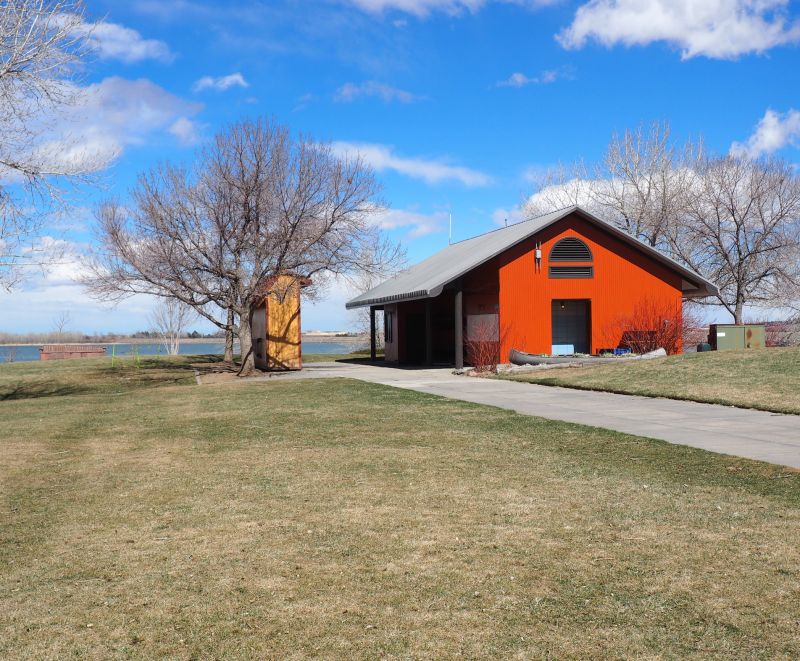
Spring provides mild temperatures and longer daylight hours ideal for painting projects.
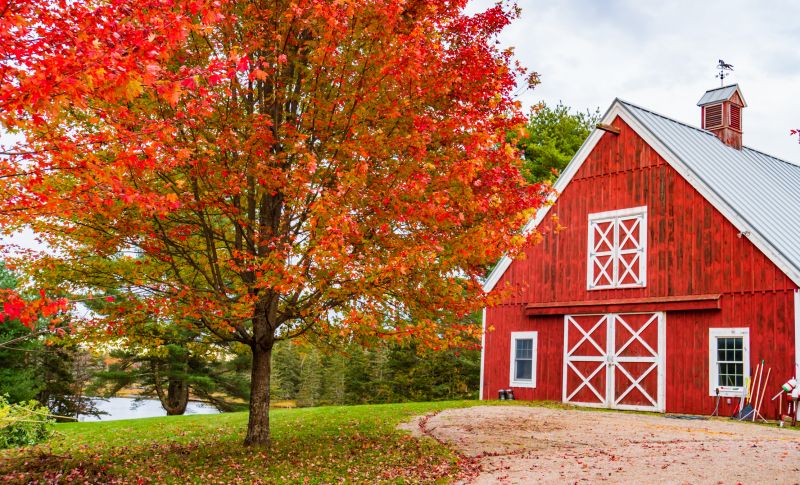
Fall offers cooler temperatures and dry weather, suitable for outdoor painting activities.
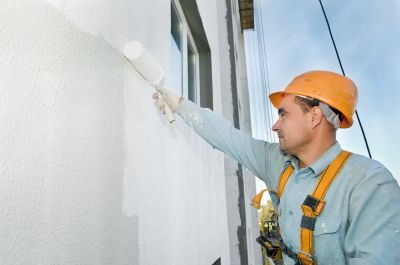
Monitoring weather forecasts helps identify optimal days for painting, ensuring the best results.
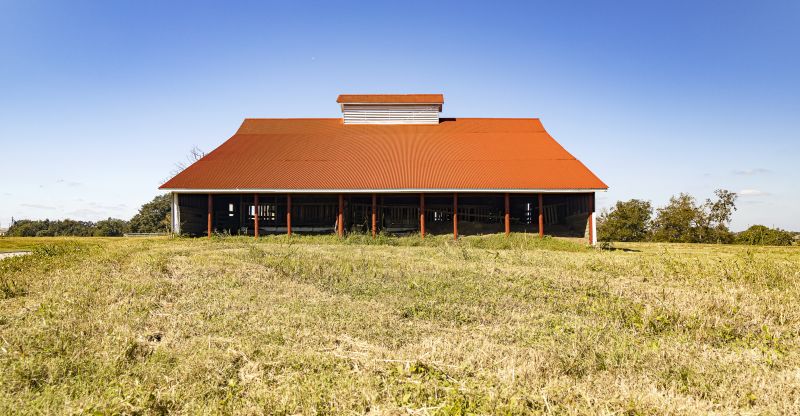
Ways to make Pole Barn Paintings work in tight or awkward layouts.
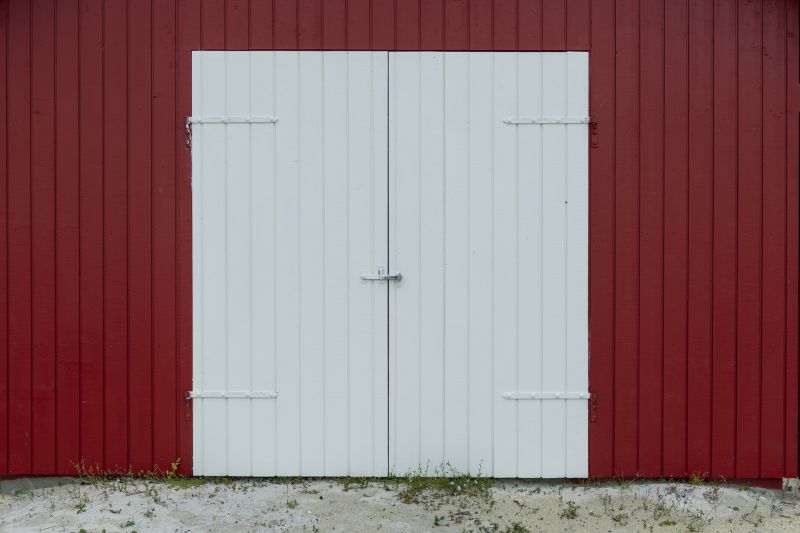
Popular materials for Pole Barn Paintings and why they hold up over time.
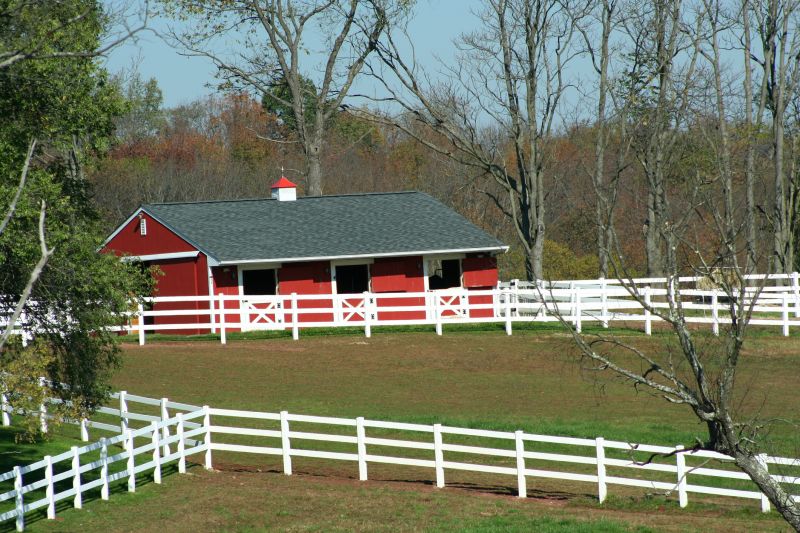
Simple add-ons that improve Pole Barn Paintings without blowing the budget.
| Season | Temperature Range (°F) | Ideal Conditions |
|---|---|---|
| Spring | 50-75 | Mild temperatures with low humidity |
| Summer | 60-85 | Early morning or late evening to avoid heat |
| Fall | 50-70 | Cool and dry weather |
| Winter | Above freezing | Avoid painting during freezing temperatures |
Pole barn paintings require careful timing to ensure longevity and a high-quality finish. Proper weather conditions, including temperature, humidity, and dryness, are crucial for optimal adhesion and curing of paint. Planning projects during seasons with stable weather minimizes issues such as peeling, cracking, or uneven coverage.
Early mornings or late evenings are preferred during hot weather to prevent paint from drying too quickly.
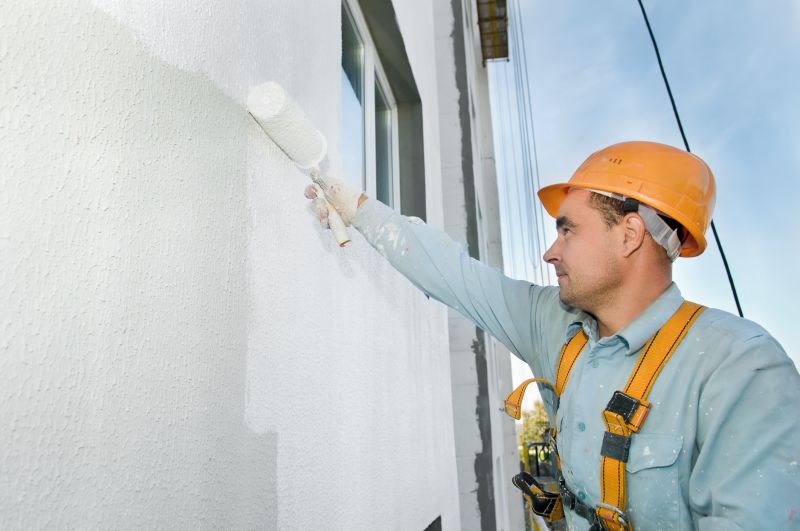
Avoid painting during freezing temperatures to prevent improper curing and adhesion issues.
Ensuring weather conditions are suitable before starting prolongs the lifespan of the paint job.
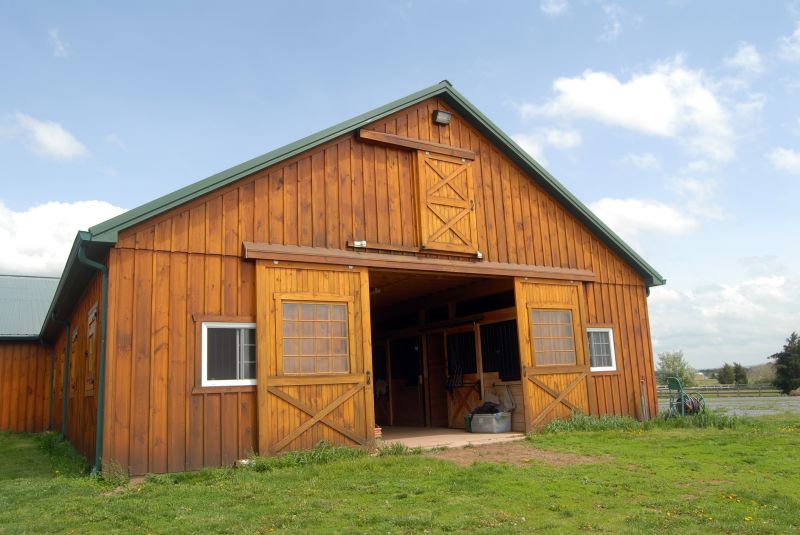
Using weather forecasts to select optimal days helps achieve a professional finish.
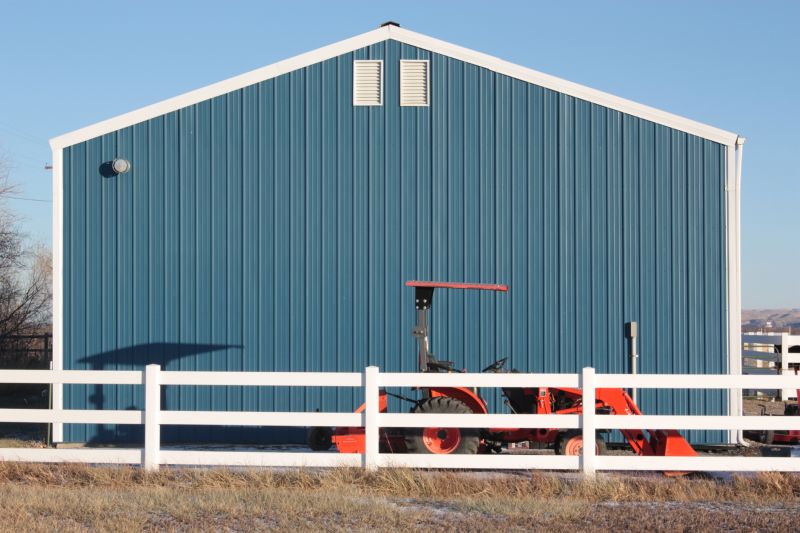
High-end options that actually feel worth it for Pole Barn Paintings.
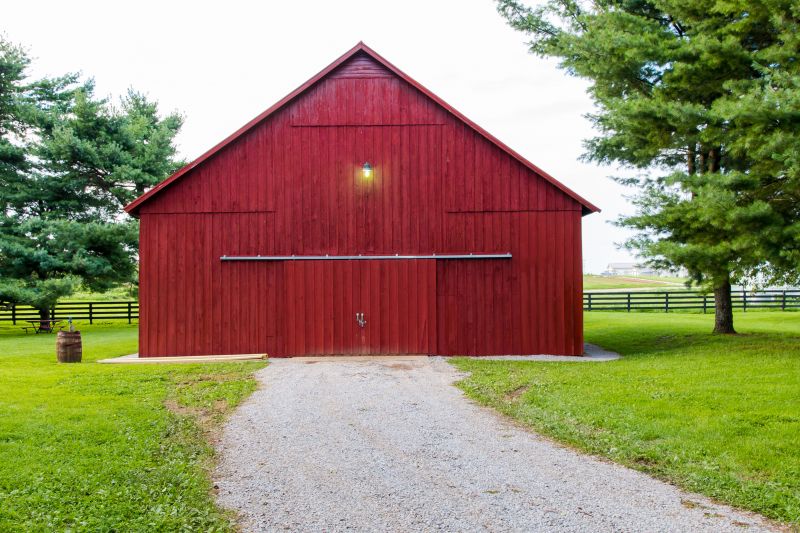
Finishes and colors that play nicely with Pole Barn Paintings.
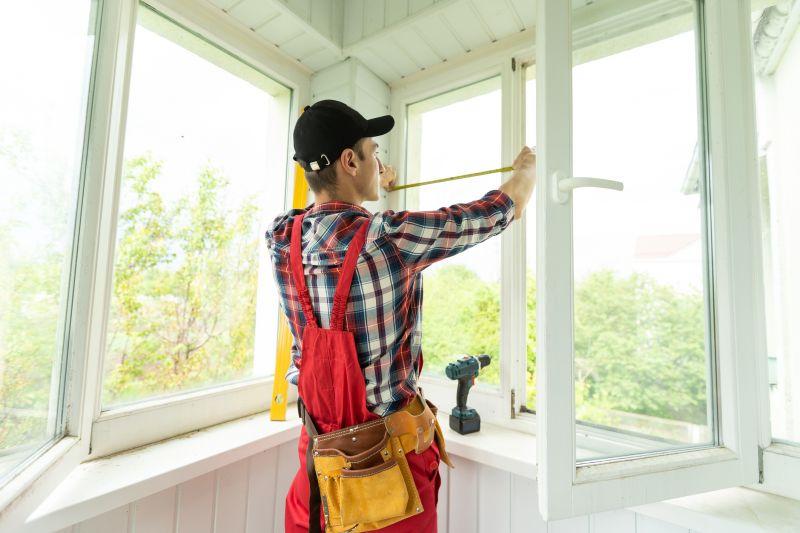
Little measurements that prevent headaches on Pole Barn Paintings day.
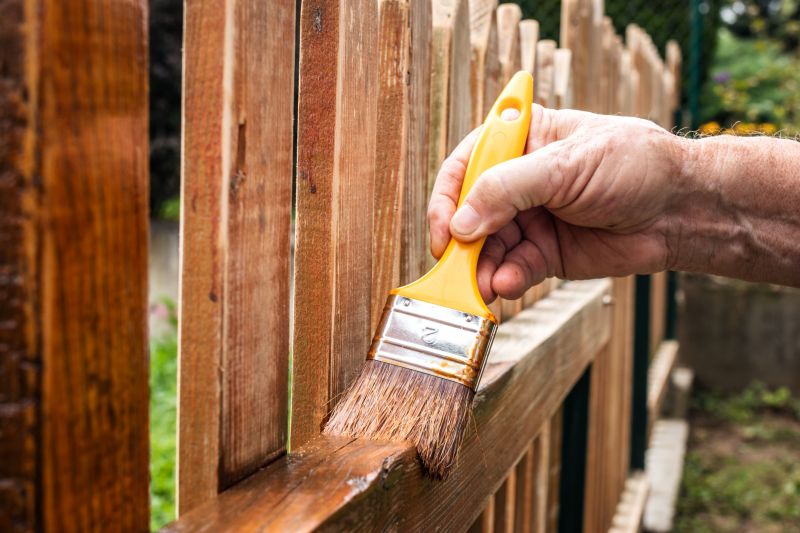
A 60-second routine that keeps Pole Barn Paintings looking new.
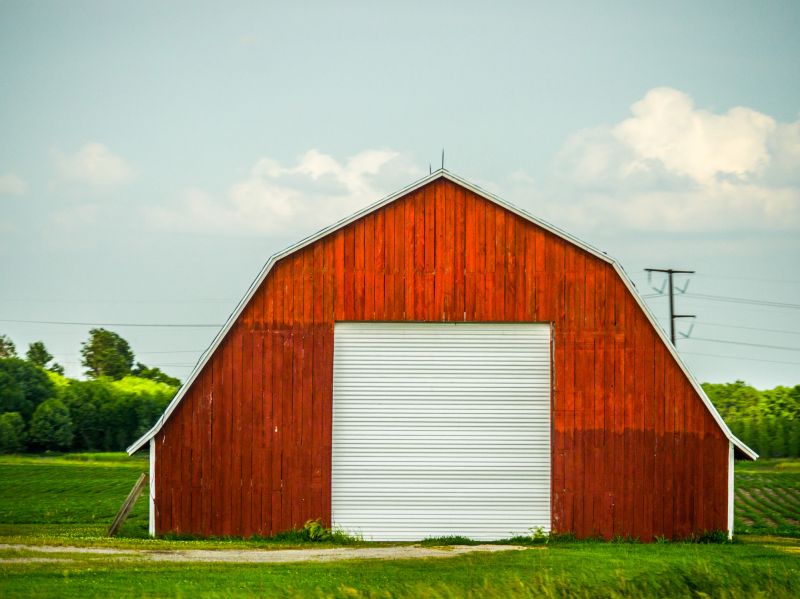
A frequent mistake in Pole Barn Paintings and how to dodge it.
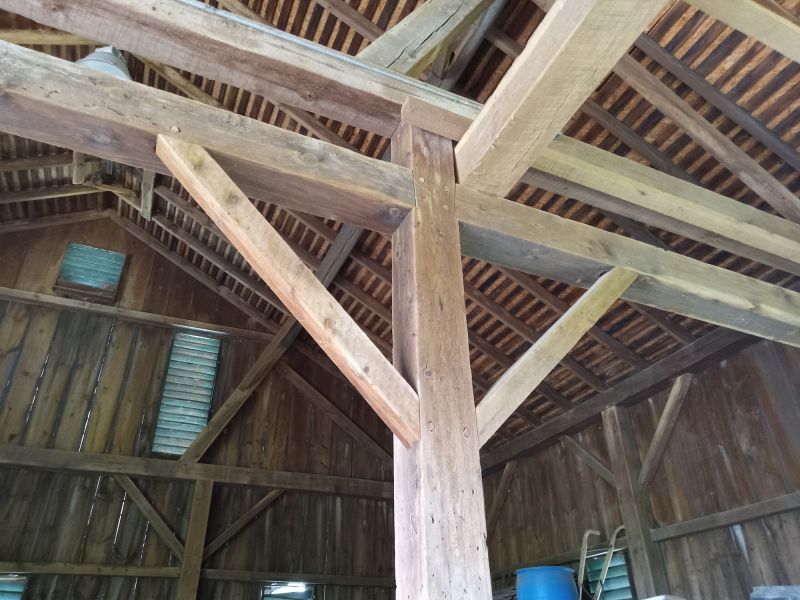
Small tweaks to make Pole Barn Paintings safer and easier to use.
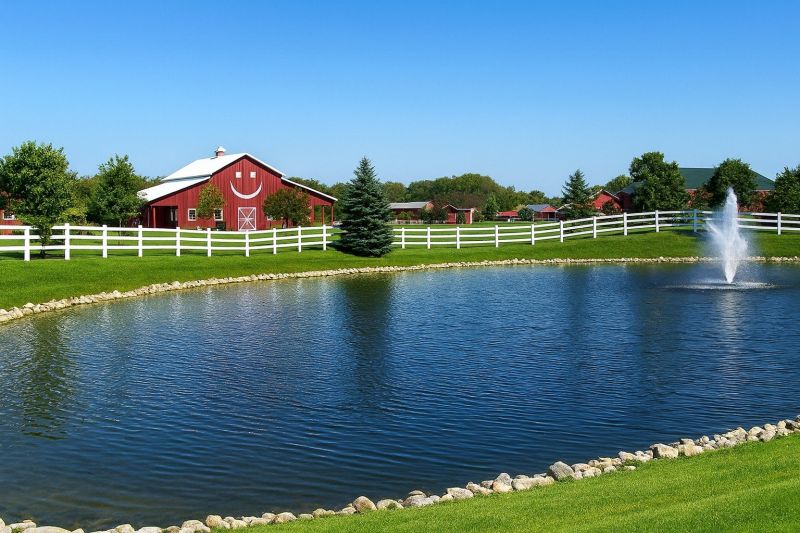
Lower-waste or water-saving choices for Pole Barn Paintings.
The short, realistic tool list for quality Pole Barn Paintings.
Interested in pole barn painting services? Fill out the contact form to discuss options and schedule a project during the optimal season for best results.